If you’re a high school senior, you might experience this conflict when you start adapting to college: Identity vs Role Confusion. When you begin this new chapter of your life, you might hit a learning curve, but it won’t be about your academics. It’ll be about yourself. Starting these classes, you might question yourself, “Do I actually want to study this field?” “Am I really going to enjoy this in the future?” and if your answer to your questions has you in a grey area of what path you should be taking, it will be okay! When young adults/teens become unsure of their place in the world, values, and future direction, they may be experiencing role confusion. They might feel this way because they have limited space to explore experiences, find exploring overwhelming, and re-examine themselves in a role that may not fit for them. All of these conflicts are normal and common. However, as individuals, the diversity of society makes us envious to develop an identity that is suitable for ourselves and a culture. To grow as individuals and gain a sense of identity, we must encourage these things for ourselves.
1. Self-expression – If we feel like there’s no room to convey our thoughts and emotions, we must make room with an open mind. Common forms of self-expression include:
Practicing self-expression is important because it gives us clarity about our identity. If one (or more) of the different forms of self-identity comes out to feel right to us, we can gain confidence, foster authenticity, and improve our emotional well-being. There is a plethora of majors in college that can lead us to success. It’s only a matter of what feels right for us to grow. Exploring creative outlets allows students to move closer to resolving identity confusion by understanding their ambitions and interests.
2. Emotional Resilience – In high school, we are always protected and are under the responsibility of our school staff. From this, we can always be protected academically with external reminders to turn in work from our teachers and parents. Since we don’t have these tools in college, a component that helps us academically and mentally succeed is maintaining or increasing our emotional resilience.
Emotional Resilience is the ability to recover emotionally from a stressful or difficult event. In college, we will face many personal issues that require us to maintain emotional resilience. It will allow students to continue exploring their identity even when there’s pressure. Ways to build our emotional resilience (and mental health) include:
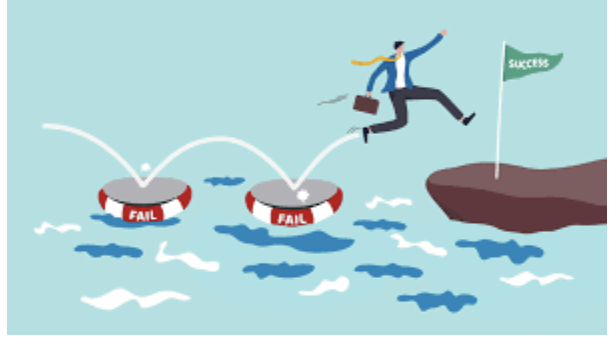
a. Learning from Failure – Many college students immediately resort to dwelling on their failure. However, the only way students can grow is by moving forward with the knowledge and understanding we gain from it.
b. Seeking Help – No one is ever alone in their issues! Whether students are asking for simple advice, therapy, or just more knowledge, asking for help strengthens the ability to be comfortable with vulnerability. Students would understand themselves on a higher level and develop confidence in their identities. When students give themselves a moment to reflect on their goals and values, they can better navigate their role confusion and come closer to being their true selves.
College adjustment is more than just adjusting to new classes and figuring out what field to study. It can involve a stage of identity vs. role confusion, a stage of discovering who you are, and it’s ordinary! Through the ways of practicing self-expression and emotional resilience, we can grow more certainty in who we are. Ultimately, college is about our personal growth that will lead us to success.
Shuttershock. (2021, March 4) Fail to success, using failure to be lesson learn and creativity to achieve business success concept, smart business jumping on many time of failures floating on water and finally reach success flag.
Hello! My name is Samantha Keo, and I’m a student volunteer at Social Advocacy Coalition. I’m currently a first-year student attending California State University, Fullerton, to obtain my Bachelor’s degree in Sociology. I hope to pursue a career in counseling or therapy. With my blogs, I address the issues that students may encounter in college, and advise on how to deal with them as they navigate through a new and different chapter in their lives. I hope to impact any college student or high school senior, and I intend to help them feel prepared and knowledgeable about college. I am delighted to work with SAC, and I am grateful for the space they have given me to fill with my guidance!