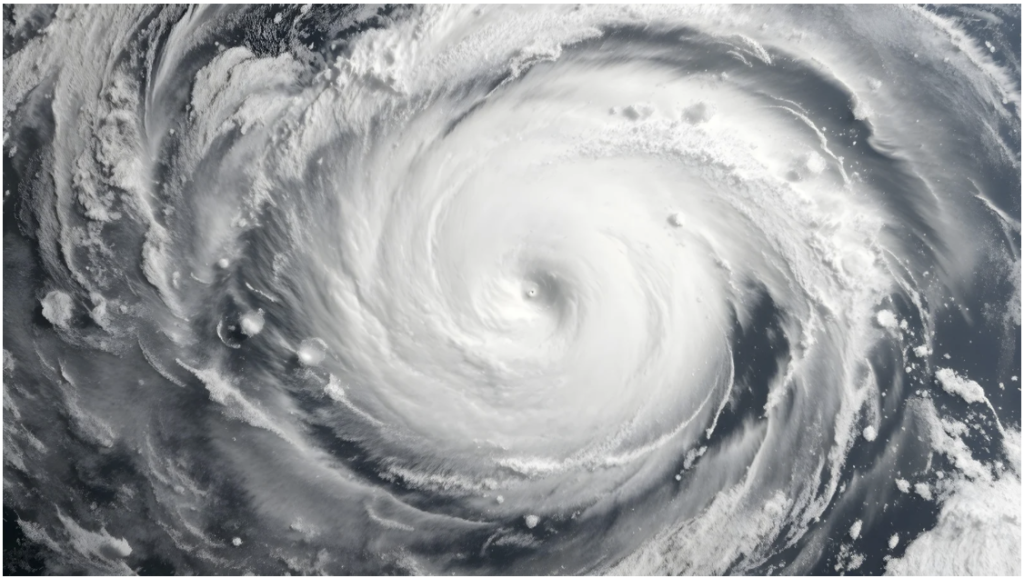
As conversations about climate and extreme weather continue to grow, one term is beginning to stand out in 2026: El Niño. But this isn’t just any El Niño as scientists are warning about the potential for a “super” El Niño, a more intense and far-reaching version of this already powerful climate pattern. If it develops, it could have major impacts on weather, economies, and everyday life across the globe.
El Niño is a name for complex weather that comes from the Pacific Ocean, due to the ocean’s different temperatures, typically warmer. A super El Niño is an intensified version of this pattern, typically defined by ocean temperatures rising 1.5–2°C or more above average for an extended period (Lada, 2026). Normally, trade winds push warm water toward Asia, allowing cooler water to rise near the coast of South America. However, during an El Niño event, those winds weaken, and warm water spreads eastward. What makes it super compared to a regular El Niño is more intense rainfall in some regions, longer and harsher droughts in others, and stronger and more unpredictable weather patterns.
Experts believe that El Niño is heading our way and is likely to occur this summer. Meteorologists are keeping a close eye on climate patterns developing in the Pacific Ocean, which will enable stronger predictions about what’s to come in the year ahead. If a stronger version of El Niño were to happen, it would break global heat records and cause supercharged rainstorms to even drought in certain areas of the world (Cannon, 2026). There is concern from scientists because the forecast suggests that El Niño can start developing by summer and strengthen into a possible event by the end of the year, as there is a 1 out of 3 chance (Shackelford, 2026). In the U.S, we can expect more rainfall in southern regions and possibly flooding in the colder months. The Western U.S will experience a drier climate and increased wildfire risk. South America can experience heavy rainfall and flooding, while India and Africa can experience weaker monsoons and agricultural challenges (Williams & Clariridge, 2026).
The reason why understanding and acknowledging why El Niño is concerning is that it can affect us in everyday life, besides the weather. If it affects crops, then that can affect rising food prices, as it is in demand. Increased risk of natural disasters like floods and wildfires can affect humans and animals, taking away homes. There can be a potential strain on water and energy resources. Because it affects multiple systems at once, it is considered one of the most influential climate events on Earth.
Scientists are continuing to monitor ocean temperatures and atmospheric changes throughout 2026. While there is still uncertainty—especially due to the difficulty of making springtime predictions—the possibility of a super El Niño is real. The potential arrival of a super El Niño highlights how interconnected our world truly is. A shift in ocean temperatures thousands of miles away can influence weather, economies, and daily life across the globe. As climate patterns grow more unpredictable, staying informed and prepared is more important than ever. Whether this event becomes historic or not, it serves as a powerful reminder of the changing climate and the need for global awareness.
Key Take-Away Points:
A super El Niño might happen in 2026.
It means the ocean is getting much warmer than usual.
This can cause extreme weather around the world.
Some places may get flooding, while others may have droughts and heatwaves.
Climate change could make it stronger and more dangerous.
It can affect food prices, water, and everyday life.
Scientists are still watching to see if it will happen.
Resources:
Canon, Gabrielle. “Are We Heading for ‘Super El Niño’ – and What Could We Expect?” The Guardian, The Guardian, 14 Apr. 2026, www.theguardian.com/environment/2026/apr/13/el-nino-explainer?utm_source=chatgpt.com. Accessed 14 Apr. 2026.
Shackelford, Rob. “El Niño Coming This Summer, Says NOAA in Update; What Does That Mean for Summer Temperatures and Hurricane Season?” The Weather Channel, 12 Mar. 2026, weather.com/news/climate/news/2026-03-12-super-el-nino-noaa-summer-hurricane-season-impacts?utm_source=chatgpt.com. Accessed 14 Apr. 2026.
Williams, Kale, and Christine Clarridge. “Strong El Niño Could Worsen Northwest Fire Season.” Axios, Axios Portland, 14 Apr. 2026, www.axios.com/local/portland/2026/04/14/el-nino-wildfire-risk-drier-season-forecast?utm_source=chatgpt.com. Accessed 14 Apr. 2026.