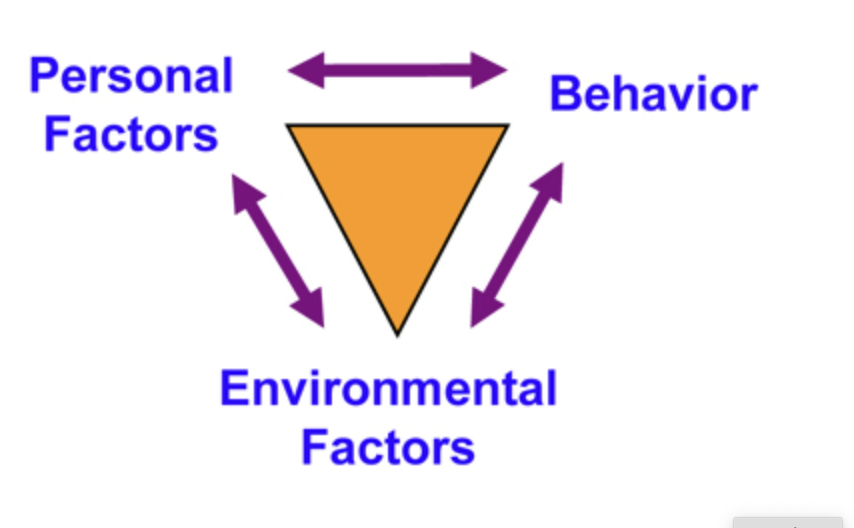

Figure 1 (University of Pennsylvania 2019).
“People not only gain understanding through reflection, they evaluate and alter their own thinking” (Bandura, 1986).
Social cognitive theory, developed by Albert Bandura, explains how human behavior is shaped through the interaction of three main factors: personal factors, behavior, and environmental influences. Personal factors include aspects of the self such as biology, knowledge, beliefs, and self-efficacy. Behavior refers to a person’s actions, skills, and responses to different situations. Environmental factors encompass the external world, including culture, community, and social influences. These components do not function independently; instead, they continuously interact to shape how individuals think and act. Viewing situations through this framework allows for a more complete understanding of human behavior.
Factors of Social Cognitive Theory
Personal factors relate to an individual’s internal world, including their beliefs, knowledge, and biological makeup. A key component of this is self-efficacy, or a person’s belief in their ability to succeed in a specific situation. These internal factors shape how someone interprets and responds to challenges. For example, consider two athletes in a close game with similar skill levels. One has high self-efficacy, while the other doubts their ability. The athlete with greater confidence is more likely to perform well under pressure, while the other may hesitate. This demonstrates how internal beliefs can directly influence outcomes.
Behavior represents how a person acts in response to both internal and external influences. It is the visible expression of the interaction between personal and environmental factors. For instance, someone with strong de-escalation skills and a calm demeanor may step in to mediate a conflict rather than intensify it. This action not only resolves the situation but also influences others, who may begin to model that behavior. In this way, behavior both reflects and shapes the surrounding environment.
Environmental factors also play a significant role in shaping behavior. Social norms, cultural expectations, and community influences can guide how individuals think and act. For example, gender roles can shape expectations about behavior over time. As noted, “gender divides can impact life trajectories in that these behaviors and internalization can be difficult to dismantle” (Dodgets, 2023). These expectations can influence behavior, often without conscious awareness, demonstrating how deeply environment can affect personal development.
Other Contributing Factors
A central concept within social cognitive theory is reciprocal determinism, which describes how personal factors, behavior, and environment continuously influence one another. A person’s beliefs can shape their actions, those actions can alter their environment, and that environment can then reinforce or challenge their beliefs. This ongoing interaction highlights the dynamic nature of human behavior.
Self-efficacy is closely tied to this process. Individuals who believe in their ability to succeed are more likely to take action, persist through challenges, and achieve their goals. In contrast, those with lower self-efficacy may avoid tasks or give up more easily. This demonstrates how internal beliefs can directly influence behavior and, ultimately, outcomes.
Observational learning is another key aspect of the theory. People can learn new behaviors simply by watching others and observing the consequences of those actions. This applies to both positive and negative behaviors. As one researcher notes, “antisocial behavior manifests like any other prosocial behavior. It is influenced by personal controls and the social learning process” (Kabiri, 2020). This reinforces the idea that behavior is learned through similar mechanisms, regardless of whether it is constructive or harmful.
Examples
Sports provide a clear example of social cognitive theory in action. Teams are close-knit environments where individuals frequently influence one another. For instance, “athletes who associate with deviant peers are more likely to act in this way to imitate antisocial behavior” (Kabiri, 2020). This demonstrates how environmental influences and observational learning can shape behavior within a group. Over time, these behaviors can become normalized within the team culture.
Another example involves individuals navigating socially sensitive situations, such as disclosing an HIV-positive status. Personal factors may include fear of rejection based on past experiences. This can influence behavior, such as hesitating to share that information. Environmental factors, such as stigma or lack of support, can further reinforce that hesitation. However, changes in any one of these areas can shift the outcome. Increased confidence (personal factor), clear communication (behavior), or a supportive environment can all contribute to more positive experiences. This example highlights how these factors interact and influence one another.
Conclusion
Social cognitive theory provides a framework for understanding how behavior is shaped by the continuous interaction between internal thoughts, external influences, and actions. It emphasizes that individuals are active participants in their own development, capable of learning, adapting, and influencing their environment. By breaking complex situations into personal, behavioral, and environmental components, it becomes easier to identify areas for change and improvement. Applying this framework to everyday life can lead to better decision-making, stronger relationships, and more positive outcomes.
Take Home Points:
- Behavior is shaped by the interaction between personal factors, behavior, and environment rather than a single cause.
- Observational learning allows individuals to learn behaviors by watching others.
- Self-efficacy influences whether someone attempts and persists in a task.
- Social environments, including cultural expectations and peer groups, strongly shape behavior.
- Changes in one factor (personal, behavioral, or environmental) can influence the others and improve outcomes.
Resources:
Bandura, A., & National Inst of Mental Health. (1986). Social foundations of thought and action: A social cognitive theory. Prentice-Hall, Inc.
Dodgers, S., Cordoba, S., & Coe, J. (2023). Examining the role of childhood experiences in gender identity and expression: An interpretative phenomenological analysis using social learning theory. Gender Issues, 40(2–4), 255–274. https://doi-org.lib-proxy.fullerton.edu/10.1007/s12147-023-09314-4
Kabiri, S., Shadmanfaat, S. M. (Shamila), Smith, H., & Choi, J. (2020). Antisocial behavior in soccer players: Using an integrated mediation model of personal control and social learning theory. Social Science Quarterly, 101(3), 1090–1114. https://doi-org.lib-proxy.fullerton.edu/10.1111/ssqu.12793
Scott, W. D., Cervone, D., & Ebiringah, O. U. (2024). The social‐cognitive clinician: On the implications of social cognitive theory for psychotherapy and assessment. International Journal of Psychology. https://doi-org.lib-proxy.fullerton.edu/10.1002/ijop.13125
University of Pennsylvania. (2019). Health Behavior and Health Education | Part Three, Chapter Eight: Key Constructs. Upenn.edu; University of Pennsylvania. https://www.med.upenn.edu/hbhe4/part3-ch8-key-constructs.shtml