
When we think about leaders in global health, we usually picture people making big decisions in boardrooms, managing budgets, or coordinating international programs. But one thing that often gets overlooked is empathy. The ability to really understand and connect with people isn’t just nice to have, it’s a critical skill needed.

Global health often involves working across cultures, languages, and social contexts. Leaders who can put themselves in others’ shoes whether it’s community members, patients, or health workers build stronger relationships. According to Frontiers in Neurology, “No problem will be solved without being connected with those who struggle, and a meaningful connection is impossible without empathy” (Shahrivari et al., 2023).
Empathy isn’t just about feelings, it helps leaders make smarter decisions. When leaders listen to the real challenges communities face, they create programs that actually work. The Task Force for Global Health sums it up well: “empathy + action = compassion” (Task Force, 2021). Leaders who skip this step risk implementing solutions that don’t fit local needs.
Global health work is intense. Leaders who understand the stress and challenges their teams face make the workplace more supportive, which boosts morale and keeps people engaged. As one leadership article points out, “Leaders who are attuned to the stress levels and personal needs of their teams create a healthier work environment” (Harvard Business, 2023).
What Empathy Looks Like in Real Life
- Active listening-not just asking questions, but really hearing what people are saying.
- Cultural humility-acknowledging you don’t know everything and asking questions instead of assuming
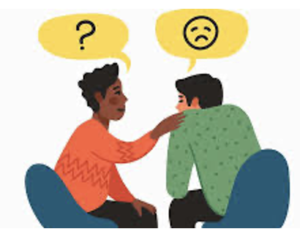
- Emotional awareness – recognizing stress, trauma, and challenges in both communities and teams.

A Few Challenges
Empathy is powerful, but it’s not always easy:
- Empathy fatigue-caring too much without boundaries can wear leaders down
- Misplaced empathy- it’s not an excuse to avoid tough decisions
- Cultural misunderstandings-empathy has to be informed, not just felt
The key is balance: combine empathy with strategy, planning, and accountability.
If you want to lead in global health, you can develop empathy by:
- Spend time in the field, not just in offices
- Listen more than you talk
- Ask for feedback from teams and communities.
- Reflect on your own feelings and reactions.
- Make empathy a team value, not just a personal trait
Empathy is a game-changer in global health leadership. Leaders who really connect with the people they serve can design better programs, motivate their teams, and build trust across cultures. It’s not a soft skill, it’s a strategic superpower.
References
- Task Force for Global Health. (2021, May 24). Compassionate Leadership in Global Health. Retrieved from https://www.taskforce.org/compassionate-leadership-in-global-health/
- Shahrivari, P., et al. (2023). Empathy as a crucial skill in disrupting disparities in global brain health. Frontiers in Neurology, 14, 1189143. https://www.frontiersin.org/articles/10.3389/fneur.2023.1189143/full
- Harvard Business. (2023, Nov 30). Empathetic Leadership: How to Go Beyond Lip Service.https://www.harvardbusiness.org/insight/empathetic-leadership-how-to-go-beyond-lip-service/