
It’s remarkable how something that once completely took over our lives already feels like it happened ages ago. COVID-19 changed everything, the way we study, work, and even connect with each other. But as life goes “back to normal,” there are lessons we can’t afford to push aside. The pandemic wasn’t just a global crisis; it was a reality check.
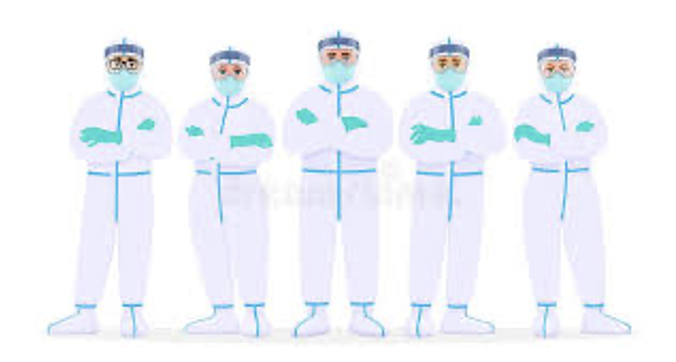
If there’s one thing we learned, it’s that health systems need to be ready before a crisis hits. The countries that managed COVID well weren’t just lucky ,they were prepared. The World Health Organization (2021) pointed out that strong public health infrastructure, trained workers, and quick access to care made all the difference. We can’t just wait for another emergency to start fixing what’s broken.
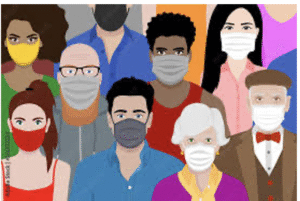
COVID didn’t impact everyone the same way. People with unstable job , crowded housing, or no healthcare were hit hardest. It exposed a truth many already knew that inequality can be deadly. According to Gostin (2021), the pandemic magnified social and economic gaps, especially for vulnerable communities. If we really want to be ready for the next crisis, we have to close those gaps now.
The early months of the pandemic were confusing, new rules every week, conflicting information, and plenty of misinformation online. The Harvard School of Public Health (2022) emphasized that clear and honest communication builds trust, even when the situation is uncertain. When people don’t know who to believe, they stop listening altogether. Transparency is everything.
What happened in one part of the world affected everyone else. Vaccine inequality showed just how connected (and unequal) we are. The World Health Organization (2021) reminded us that “no one is safe until everyone is safe.” It’s not just a slogan, it’s a fact. Global cooperation has to be a priority.
After every big disaster, people say “never again,” but memory fades fast. We can’t let that happen here. The best way to honor what we went through and who we lost is to remember what worked and what didn’t. Better healthcare, mental health resources, and science education aren’t just “pandemic fixes.” They’re basic necessities.
COVID changed our world in painful ways, but it also showed how strong and adaptable people can be. We saw neighbors helping neighbors, scientists working together across borders, and communities pushing through fear with compassion. Those lessons are too valuable to forget. The next time crisis strikes, we’ll either be ready or we’ll be repeating history.
References
Gostin, L. O. (2021). The great coronavirus pandemic of 2020—7 critical lessons. JAMA Forum.https://jamanetwork.com/journals/jama/fullarticle/2772746
Harvard T.H. Chan School of Public Health. (2022). Five pandemic lessons learned from WHO communication experts.https://hsph.harvard.edu/research/health-communication/resources/pandemic-lessons-learned/
World Health Organization. (2021, September 13). Lessons learned from the COVID-19 pandemic: Achieving resilience for the next health emergency. https://www.who.int/europe/news/item/13-09-2021-lessons-learned-from-the-covid-19-pandemic-achieving-resilience-for-the-next-health-emergency
 Hello everyone! My name is Jasmine Oregel, and I’m currently a student intern at Social Advocacy Coalition. I’m currently pursuing my Bachelor of Science in Human Services with a focus on Mental Health at Cal State Fullerton. I’m excited for the chance to develop new skills and connect with professionals in the non-profit sector. I also look forward to building relationships with my colleagues and learning from their experiences. As I continue to grow in my career, I hope to make a meaningful impact at the Social Advocacy Coalition by supporting and promoting mental health advocacy.
[/caption]